
Hey everyone, let’s talk about the wild. As we look ahead to 2026, something interesting is happening. More and more of us are feeling this pull to get outside, not just for a hike, but to really connect. We’re talking about bushcraft—that deep-down knowledge of how to not just survive in nature, but to feel at home there. It’s different from just waiting for a rescue. It’s about building a shelter, finding water, and using skills that go way back. It’s about thriving, not just getting by.
So, what’s changing? The trends for 2026 aren’t just about having the toughest axe or the sharpest knife (though those are still great!). The big shift is toward smart preparedness, sustainability, and gear that helps us bridge old-school wisdom with what we know today. Whether you’re just putting together your first proper survival kit or you’ve been at this for years, these five trends are going to shape your time in the woods. Let’s dive in.
1. The “Smart” Survival Kit: When Low-Tech Meets High-Tech Help
For the longest time, putting together a survival kit was pretty straightforward. You needed the absolute basics: water, a way to get food, a light, a first-aid kit, and something to signal for help. That core hasn’t changed, and it never should. But in 2026, the trend is about adding a clever layer on top of that reliable foundation. We’re not replacing our trusted gear with gadgets that die when the battery runs out. Instead, we’re adding tools that give us a serious advantage when we need it most.
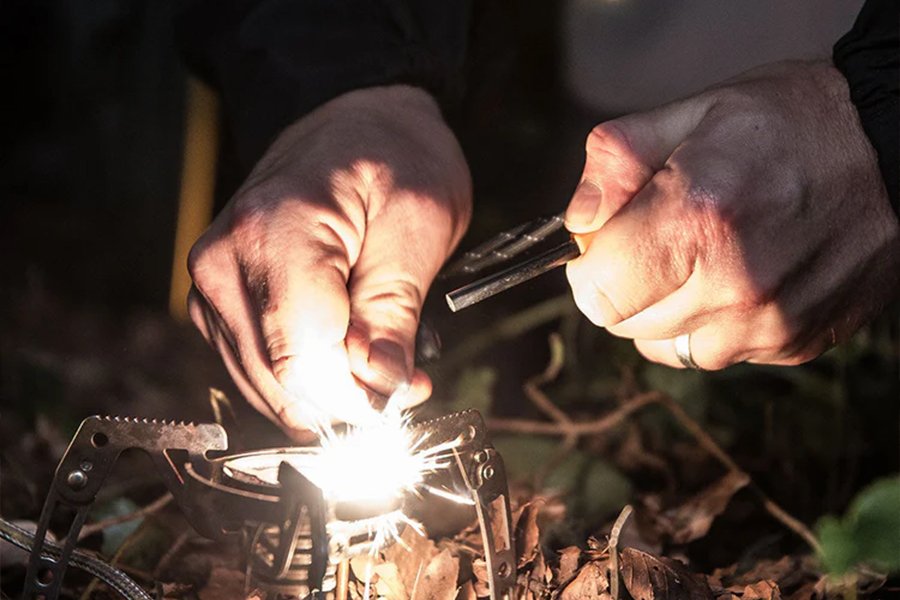
Think of it like this: your modern kit is becoming a hybrid. Right next to your trusty fire steel, you might toss in a small, USB-rechargeable plasma lighter as a super-fast backup. Alongside your map and compass, you might have a compact satellite communicator that can send an SOS from anywhere, but you still know how to use that compass. The key idea here is smart redundancy. It’s about having more than one way to solve a problem, using different tools.
2. The Real Tool Is You
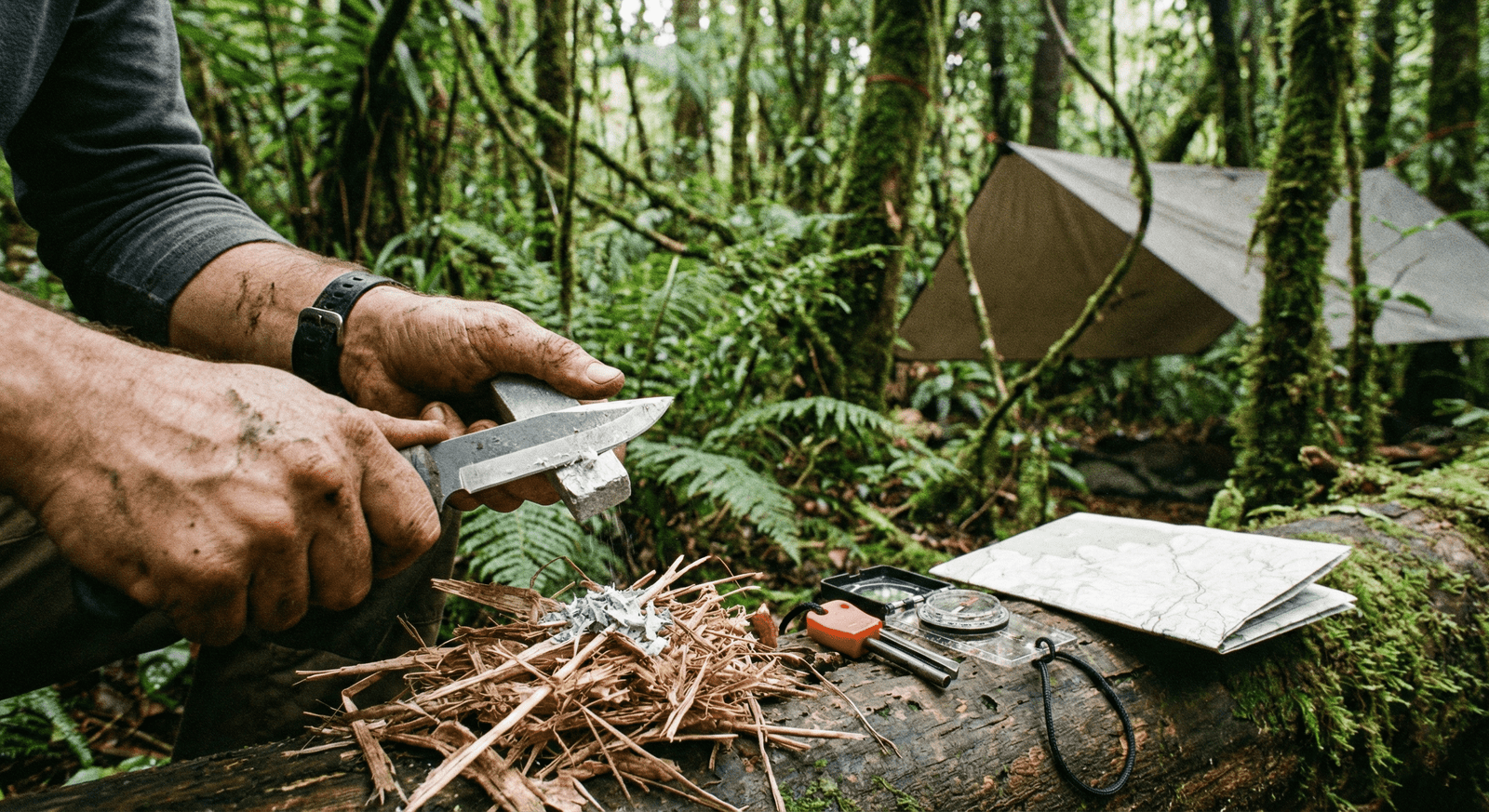
You know, there’s a saying that’s been making the rounds in bushcraft circles lately, and it really sticks with you: “The more you know, the less you carry.” It perfectly captures the shift that’s happening. There’s a growing, almost collective pushback against just buying your way into competence. Fancy gear is fantastic, but let’s be honest—a $300 knife won’t magically teach you how to baton wood safely or carve a friction-fire bow. If you don’t have the skills to back it up, that premium tool is just… expensive weight.
You can feel this change in the vibe. A few years ago, campfire chatter might have been dominated by the latest gadget. Now? The real respect is quietly given to the person who, when a sudden drizzle hits, calmly gets a small, hot fire going with a single spark and some bone-dry shavings they’d prepared earlier. It’s for the person who can point out a patch of nettles (good for soup) or a cattail (useful for more things than you’d think). It’s practical, grounded knowledge that earns nods of approval.
This mindset completely flips how you look at gear. I’ve stopped searching for that mythical “all-in-one” survival kit. Instead, my pack has become a collection of simple, multi-use tools that almost force me to learn. I chose a slightly smaller fixed-blade knife not because it’s the best at splitting logs, but because its sharp spine is perfect for striking a ferro rod, and its handle inspires confidence for detailed carving. I pack a simple tarp and a long length of paracord every single time, not because it’s the lightest option, but because it’s a blank canvas. With just those two items, I’ve practiced setting up a lean-to, an A-frame, and a basic plow point—each one teaching me more about tension, angles, and weather than any pre-assembled tent ever could.
This is why the best YouTube channels and forums are changing. Sure, gear reviews are fun, but the content that truly fires people up are the messy, real-world skill tutorials. You’ll find people filming themselves failing to start a bow-drill fire three times before finally getting an ember on the fourth—and explaining what they changed. They’re showing the right and wrong way to use a folding saw in tandem with a knife to process firewood without getting hurt. The focus has moved from what’s in your pack to what’s in your head and your hands. When you think about it that way, the most crucial piece of bushcraft gear you own isn’t for sale. It’s the knowledge you’ve practiced, the muscle memory you’ve built, and the judgement you’ve earned through trial and error. Everything else is just a helper.
3. Clothing Built to Last (and Be Fixed)
Let’s be honest, bushcraft is tough on clothes. You’re kneeling on the ground, brushing past thorny branches, and sparks from the fire are always looking for something to singe. Flimsy, fast-fashion clothing has no place out here. The trend for 2026 is all about purpose-built, incredibly durable, and repairable clothing systems. Your jacket and pants aren’t just what you wear; they’re a key part of your survival kit.
We’re talking about fabrics like heavy-duty waxed canvas and modern, reinforced synthetics that can handle abrasion and those little flying embers. But it’s not just about tough material. It’s also about smart, practical design. Jackets with plenty of pockets that are actually organized, loops and patches where you can attach gear so you don’t lose it, buttons you can fasten with cold, clumsy fingers, and colors that help you blend into the natural environment. Maybe the biggest part of this trend is the mindset: “Buy it well once, and mend it for a lifetime.” Brands are listening, making clothes with double-stitched seams, reinforced knees and elbows (sometimes with removable pads), and even a modular approach where you can replace a torn sleeve instead of tossing the whole shirt. This trend fits the bushcraft spirit perfectly. It’s about using resources wisely, making things last, and taking care of what you have.
4. Your Kit, Tailored to You and Your Trip
Remember those generic survival kits you can buy at the big box store? The ones with a little bit of everything but not enough of anything? That “one-size-fits-all” idea is fading fast. In 2026, the trend is hyper-personalization. Your gear should be a direct reflection of you: where you go, what you plan to do, and what you specifically need.
This means going beyond the basic checklist. It means asking yourself real questions before you pack. Is your bushcraft practice happening in the wet, cold forests of the Pacific Northwest, or the dry, hot scrubland of the Southwest? Your shelter choice and how much water you carry will be completely different. Are you focusing on a weekend of foraging and plant ID, or are you practicing primitive trap-making and fire-starting techniques? Your tool selection will shift. This trend is all about auditing your kit before every single trip. It’s the process of adding specific items for a specific purpose: throwing in a folding saw if you know you’ll be processing wood for a shelter, adding extra tinder and fire-starting aids if the forecast calls for rain, or including a more advanced medical kit if you’ll be practicing with axes far from help. Even official preparedness advice from groups like the Red Cross says that after the basics, you have to consider personal needs and local risks. That thoughtful, personalized approach is what turns a bag of generic stuff into a truly reliable, confidence-inspiring kit.
5. Sustainability: It’s Not Just a Buzzword Anymore
People who love bushcraft have a deep connection to the natural world. We go into the woods to find peace and challenge ourselves. In 2026, that connection is driving a major, important trend: conscious, ethical consumption. It’s not enough for gear to just work well. We’re starting to ask where it came from, what it’s made of, and whether the company that made it shares our values.
You’ll see more people looking for gear made from sustainably sourced materials. Think knife handles from wood that was harvested responsibly, cookware from recycled metals, and waterproofing treatments that are plant-based instead of full of harsh chemicals. There’s a growing respect for brands that are transparent about their supply chains and treat their workers fairly. This trend extends beyond the gear in our packs and into our actions in the woods. There’s a renewed focus on strict Leave No Trace principles and using sustainable harvesting methods when we gather natural materials for cordage or tinder. It’s about practicing our skills in a way that ensures the forest will be just as amazing—or even better—for the next person who walks through it. In 2026, the gear you choose and how you use it becomes a clear statement of your respect for the very wilderness that gives you so much.
Conclusion
So, looking ahead to 2026, what’s the real takeaway for someone who loves the woods? All these trends honestly point to one thing: the best approach isn’t about picking a side. It’s about finding your own balance.
Think of it like this. One direction is all about embracing helpful tech—those tools that give you a bit more safety and knowledge in your pocket. The other direction pulls you back toward the raw, hands-on skills that have always been the real soul of this craft: knowing how to do things for yourself and feeling that genuine respect for the natural world. The trick won’t be choosing one over the other. The most capable person out there will be the one who knows how to let the tech handle what it’s good for, while their own hands and mind master the fundamentals.
Your gear will be a reflection of that balance. It’ll be a personal kit, worn-in and trusted, where you know the exact purpose of every item inside. You’ll understand that the true value was never about the price tag on an item, but the confidence you built by learning to use it well and use it responsibly.
As 2026 gets closer, the core of bushcraft feels the same as it always has. It’s still about the confidence you earn, the skills you build, and that irreplaceable feeling of connection. These new trends? They’re just tools and ideas that can help us on that journey—maybe making us a bit more efficient, a bit safer, and a lot more thoughtful about our impact. So, with that in mind, maybe give your survival kit a once-over, put an edge on that knife, and make a plan to get outside. There’s always something new to learn, and the forest is still the best place to learn it.