
So, you’re building an outdoor brand. You’ve got the vision, the design, maybe even the perfect logo. Now you’re looking at your product lineup and thinking about adding a ferro rod. It seems straightforward, right? It’s just a metal stick that makes sparks. But here’s the thing I learned the hard way: the material inside that rod is everything. Choosing the wrong one can mean the difference between a customer who swears by your gear and one who leaves a frustrated review.
If you’re selling a fire starter, you’re not just selling a tool; you’re selling reliability, confidence, and a bit of magic for that moment when someone needs a flame. The heart of that promise is the ferrocerium alloy. Let’s break down what you need to know to pick the perfect one for your brand’s identity and your customers’ needs.
It’s All About the Spark: Understanding Ferrocerium
First, a tiny bit of science without the boring textbook feel. A ferro rod isn’t just one metal. It’s a mix, a recipe. The main ingredients are usually metals like cerium, lanthanum, iron, and magnesium. Think of it like making a cake—change the amounts, and you get a completely different result.
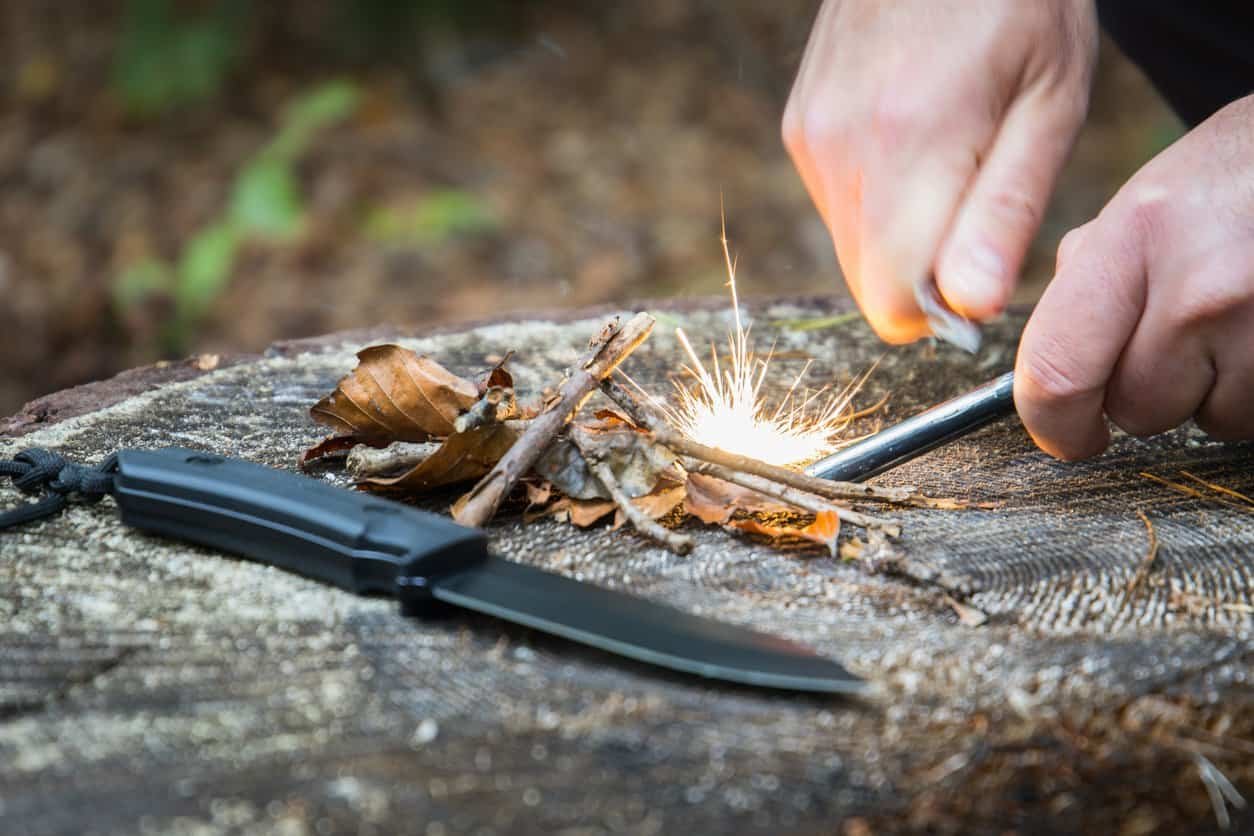
When someone scrapes a striker down the rod, they’re shaving off tiny pieces of this mix. These shavings heat up incredibly fast from the friction and burst into super-hot sparks. The specific blend of metals decides:
- How hot those sparks burn.
- How big and bright they are.
- How long they last in the air.
- How easy or hard it is to get them off the rod in the first place.
Picking your material is your first major decision. It shapes the entire user experience.
The Big Question: Hard or Soft?
This is the core trade-off, and it defines who your product is for. I’ve tested rods that feel like scraping granite and others that crumble almost too easily. Here’s the real-world difference.
Harder Ferro Rod Compositions:
- Feels Like:Dense, solid. Requires a firm, confident scrape. There’s real resistance.
- The Good Stuff:The sparks are seriously hot—we’re talking thousands of degrees. They are excellent for igniting stubborn tinder. The biggest win? Longevity. Because you’re removing less material per strike, a hard rod lasts forever. We’re talking tens of thousands of strikes. For the bushcraft purist or the prepared minimalist, this is a huge selling point.
- The Downside:It demands technique and good hand strength. In the cold, with wet hands, or when you’re tired, it can be frustrating. The sparks can sometimes be a smaller, quicker shower.
- The Customer Match:This is for your experienced enthusiast. The person who practices their skills, values a tool that lasts a lifetime, and doesn’t mind working a bit for a superior spark. Your brand message here is about durability, reliability, and professional-grade performance.
Softer Ferro Rod Compositions:
- Feels Like:Brittle, almost chalky. It scrapes off with surprising ease.
- The Good Stuff:Ease of use is king. With a soft rod, you get a massive, cascading shower of “fat sparks” with minimal effort. They are long-lasting and dramatic, which is fantastic for visual marketing. First-time users succeed instantly, which builds immediate trust in your brand.
- The Downside:It wears down much, much faster. That impressive spark show consumes the rod. You might get only a few thousand strikes before it needs replacing.
- The Customer Match:This is for your everyday adventurer and the safety-conscious Think about someone building their first camping kit, a parent putting together a car emergency pack, or a brand focused on accessible survival. Your message is about confidence, simplicity, and guaranteed success when it matters most.
The Middle Ground: Some brands target a specific sweet spot—a medium-hardness alloy that offers a great balance of good spark heat, decent longevity, and user-friendliness. This can be a fantastic choice if you want to appeal to the broadest audience.
Beyond the Blend: Size, Shape, and Feel
The material recipe is crucial, but the physical form is what your customer holds. This is where ergonomics and purpose come in.
- Diameter is Grip:A skinny rod (under 1/4 inch) is hard to hold, especially with gloves. It also produces a wimpy spark stream. For a primary fire starter, aiming for a 1/2 inch diameter is a game-changer. It fills the hand, allows a secure grip in all conditions, and produces a thick, robust plume of sparks that practically guarantees ignition. Going larger (like 3/4 inch) is for the specialist who wants maximum spark volume and a “forever” tool.
- Length is for Stroke:A longer rod (5-6 inches) allows for a full, powerful scraping stroke. This gathers more material and creates a hotter, more concentrated burst of sparks—perfect for lighting a tinder bundle. A short rod (2-3 inches) is for ultralight packs or as a backup. Choose based on how you envision your product being used.
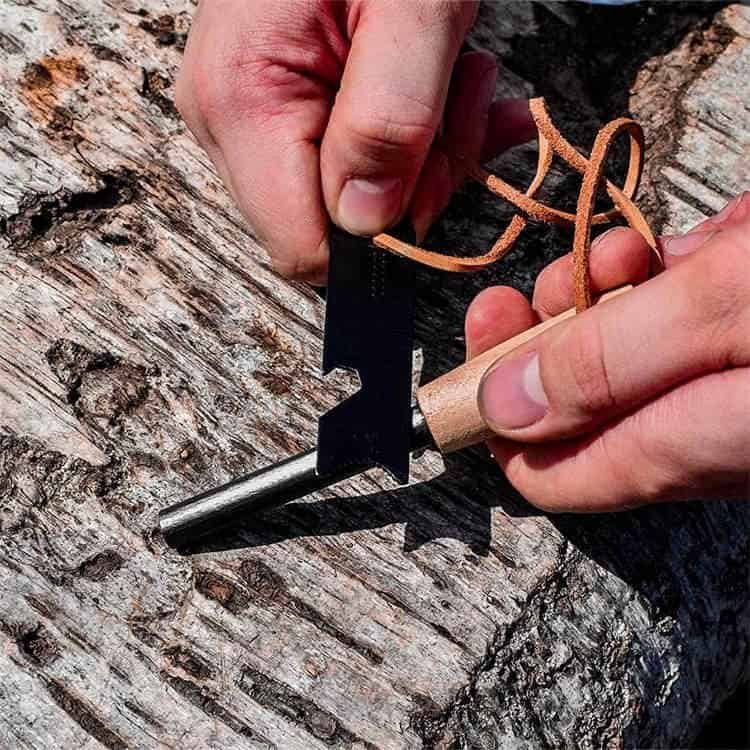
- The Handle is for Control:Never underestimate a good handle. A bare metal rod is slippery and dangerous. A textured handle (knurled metal, rubberized coating) or a classic wooden handle provides safety, control, and a premium feel. It turns a utilitarian object into a branded piece of gear people want to hold.
The Unsung Hero: Your Striker Matters Just as Much
Here’s a common brand mistake: investing in a great rod and pairing it with a cheap, useless striker. The striker is 50% of the spark equation. A bad striker makes even the best rod perform poorly.
- The Edge is Everything:A proper striker has a sharp, 90-degree corner made of hard carbon steel. This cleanly shears material off the rod. A rounded, dull striker just slides and fails.
- Material Upgrade:Consider offering a premium striker. Tungsten carbide strikers are phenomenal—they stay sharp essentially forever and work with any rod hardness. It’s an easy upsell that dramatically improves the customer experience.
- Design for Reality:Many people will just use their knife. So, think about how your chosen rod material performs with a common knife spine. Softer rods are more forgiving here.
Making the Choice: Who is Your Brand?
Now, let’s connect this to your brand strategy. Who are you talking to?
- Brand for Beginners & Everyday Preparedness:Your core value is “It just works.” Go for a softer to medium-hardness alloy. Pair it with a rod that has a comfortable diameter and an excellent, easy-grip handle. Include a great striker in the kit. Your goal is first-time, every-time success. Market the ease and reliability.
- Brand for Bushcraft & Skill Development:Your core value is “Built for the long haul.” Choose a harder composition. Offer it in substantial sizes (1/2″ x 6″ is a classic). For a deeper dive into how experienced users evaluate and compare top-performing brands based on real-world use, Paul Kirtley’s detailed analysis offers excellent insights. You can even offer it without a handle for the purist. Focus on spark temperature, rod longevity, and the satisfaction of skill. The tool feels like an investment.Brand for Ultralight & Minimalist Kits: Your core value is “Maximum utility, minimum weight.” Here, a small, hard-composition rod makes sense. It’s a last-resort tool, so you want the most potential strikes per gram. A tiny keychain model fits this philosophy, though you trade off ease of use. Be transparent about this trade-off.
Conclusion
Get Samples and Test Them Yourself.
Get rods of different hardness from potential suppliers. Go outside. Try to light different kinds of tinder (dry grass, wet birch bark, cotton balls) when your hands are cold. The right choice will become clear. Understanding the material is key, but mastering a few pro techniques can make all the difference.
Tell the Story on Your Product Page.
Don’t just list “ferrocerium rod.” Explain your choice. “We use a medium-hardness alloy that provides thousands of hot sparks while remaining easy to use, even for beginners.” This education builds trust and justifies your value.
Sell a System, Not Just a Rod.
The best fire starter is a system. Bundle your perfectly chosen rod with a quality striker and a small vial of reliable tinder (like waxed jute). This solves the customer’s complete problem (“I need a fire”) and positions your brand as a thoughtful solution provider.
Choosing your ferro rod material is a foundational decision. It speaks directly to the quality and intention of your brand. By understanding the silent language of sparks—hard versus soft, hot versus easy, lasting versus abundant—you can select the material that will let your customers, and your brand, shine.